

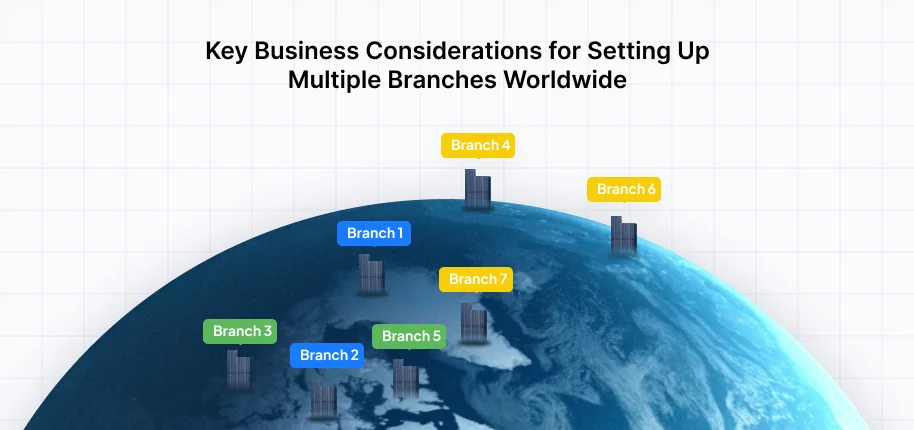
In today’s competitive world, opening a new branch of business is no longer confined by borders or time zones. Globalization has become more than just a buzzword; it’s a necessity for ambitious companies striving for growth and sustainability. Rapid technological advancements and shifting global dynamics have transformed how businesses expand internationally. From e-commerce platforms to real-time communication tools, technology has shattered geographical limitations, enabling seamless market entry and deeper engagement with international consumers. With instant access to data and the rise of virtual operations, the traditional business model has paved the way for a new era of global interconnectivity and opportunity.
Market Potential
Market potential refers to the total possible sales or revenue a product or service could generate in a specific market. Evaluating demand, competition, economic conditions, and customer behaviour can help businesses identify markets with stronger growth potential. Companies planning to expand across borders can work with UCI to explore international business opportunities and develop an appropriate expansion strategy.
By following the points mentioned below, you can easily evaluate the international market potential, which is crucial to ensure that resources are directed towards the right markets and that strategies are aligned with local dynamics, thereby alleviating risks.
- Economic Performance Evaluation
- Estimating Market Size and Demand
- Understanding Market Access
- Analyzing the Competitive Landscape
- Cultural Factors & Risks Considerations
Choosing the right market early can make or break your international strategy. Entering a poorly researched market could mean wasted resources, or in worst cases, closing that branch later sometimes requiring formal steps to dissolve a company and exit the jurisdiction entirely.
Strategic Planning
If you are considering expanding internationally, evaluate whether there is sufficient demand for your product or service in the new market. This not only assesses the size and buying power of the customer base but also helps you analyse who your actual customers are, how they behave, and what influences their purchasing decisions. For this, you can utilise data on the number of potential customers and whether they are actively seeking a solution that your product or service offers. Understanding potential customers based on factors is important such as:
- Age
- Gender
- Income
- Occupation
- Lifestyle
This enables the creation of effective marketing and product development strategies. To understand how your product will be perceived, it is crucial to comprehend local customs and values thoroughly. It is essential to keep in mind that what works well in one country might not work well in another country, so you should be mentally prepared for that. If you have no idea about your target customers or the demand for your product or service, then your business may be at risk. It is always recommended to have a proper assessment that helps you make a wise decision.
Legal & Regulatory Compliance
Opening a new branch of business can be challenging, especially when operating internationally. Although expanding your business can bring profit and growth, it also introduces multiple complications and regulations that you should be aware of to conduct your business successfully and legally. International business law primarily focuses on the intersection of economics and law in the context of global commerce, encompassing topics such as tariffs, taxes, licensing processes, and burdensome regulations between government and multinational companies. When operating your business, you must understand that there is nothing optional and you must prioritise international trade law.
Opening a new branch internationally introduces legal, regulatory, tax, and administrative requirements that vary considerably between jurisdictions. Businesses need to understand local registration requirements and maintain compliance as their operations develop. UCI’s branch formation services can support companies establishing branches as part of their international expansion strategy.
- Ready to Expand Your Business Worldwide?
Financial Planning & Budgeting
Going international with a business can be costly. Without sound financial planning, even a significant expansion can fail. A substantial budget and a clear economic plan are crucial for maintaining stability and achieving long-term success. Before opening a new business branch, you need to thoroughly understand all the costs involved, both initially and over time. The price may include:
- Company Registration & legal fees
- Office Space rental or purchase
- Local licensing and regulatory compliance costs
- Employee recruitment, relocation, and onboarding
- Technology infrastructure and equipment
- Marketing and advertising for market entry
- Operational overheads
However, the costs would vary by country, so businesses should get complete, location-specific financial data to avoid budget deficits. Additionally, fluctuations in currency can also affect the cost of doing business, revenue predictions, and success. Specific steps can be taken to reduce the risks, including:
- Using forward contracts or hedging to look at exchange rates
- Setting up multiple currency accounts
- Working with local financial institutions familiar with foreign business operations
Sound financial planning and budgeting form the cornerstone of any global expansion strategy. Businesses must prepare for all foreseeable costs, create buffers for volatility, and implement controls that ensure long-term financial health. This approach enables sustainable growth while minimizing risks across international operations.
Tax Implications & Structures
If you wish to establish your business in another jurisdiction, it is important to determine the most appropriate form of legal and operational presence. Depending on your objectives, this could involve a representative office, branch, subsidiary, or another suitable structure. The decision should consider taxation, employment, liability, compliance, and the expected scale of your activities.
Also read – Multiple Subsidiaries in Various Countries
Operational Logistics and Infrastructure
When you open multiple branches in different locations, it’s crucial to be efficient. You have to plan everything, from finding a place to setting up tech systems, to ensure things run smoothly every day and can grow over time. Choosing the correct location for your office branch plays a significant role in making the visibility of your brand. Accessibility and employee contentment. Key considerations include:
- Proximity to clients, suppliers, and business partners
- Local real estate regulations and leasing laws
- Zoning requirements and permissible business activities
- Availability of utilities, parking, and transport links
- Scalability of the location to accommodate future growth
Based on your business model, companies might choose between conventional office spaces, coworking hubs, or remote setups. Moreover, it is also vital to establish trustworthy supply chains and distribution networks, which are crucial. This involves knowing and vetting local and regional suppliers, establishing inventory management and warehousing processes, comprehending customs regulations and import/export duties, partnering with logistics providers, and ensuring compliance with quality and safety measures.
Businesses need to be digitally connected to provide a persistent IT infrastructure across branches that supports operational control, collaboration, and data management. Companies need to plan for effective real estate selection, supply chain resilience, and the integration of digital infrastructure.
Talent, Branding & Risk
Successfully establishing international branches requires more than just sorting out logistics and finance. It necessitates a thoughtful approach to finding the right talent, nurturing a brand that resonates across cultures, and proactively managing potential risks. Hiring local employees provides valuable insights into market behaviours and fosters trust within the community. However, it is equally essential to align them with the company’s core values through intensive training and HR practices that comply with local labour laws. Furthermore, your brand strategy should align with the country’s culture, and you must understand what works well in the market. Establishing risk management frameworks means obtaining sufficient insurance and adhering to local data protection laws, which are crucial for protecting your people, brand, and assets.
Technology & Digital Infrastructure
Technology plays an important role when managing multiple branches across different countries. Businesses should establish reliable systems for communication, accounting, customer relationship management, data storage, cybersecurity, and reporting.
A centralized digital infrastructure can help headquarters monitor branch performance while allowing local teams to operate efficiently. Businesses should also consider differences in internet infrastructure, data protection regulations, software availability, and cybersecurity requirements in each market.
Key areas to consider include
- Cloud-based business systems
- Cybersecurity and data protection
- Accounting and financial reporting software
- Customer relationship management (CRM)
- Internal communication platforms
- Website and digital marketing infrastructure
- Data backup and disaster recovery
A consistent technology framework can improve collaboration between international branches and make it easier to maintain operational standards.
Supply Chain & Vendor Management
Businesses operating multiple international branches need a reliable approach to sourcing, suppliers, logistics, and inventory management. Supply-chain requirements can vary significantly between countries due to transportation infrastructure, customs procedures, import restrictions, and local supplier availability.
Before establishing a branch, businesses should identify reliable suppliers and assess the cost and availability of essential goods and services.
Important considerations include
- Local and international suppliers
- Import and export requirements
- Shipping and transportation costs
- Customs procedures
- Inventory management
- Supplier reliability
- Alternative suppliers for critical products
Developing contingency plans can also help businesses respond to supply-chain disruptions, political changes, transportation delays, or unexpected increases in costs.
Cultural & Market Adaptation
A successful international expansion strategy should not assume that the same business approach will work equally well in every country. Customer expectations, communication styles, purchasing behaviour, workplace culture, and business practices can differ significantly between markets.
Businesses should adapt their approach while maintaining consistent global brand standards.
This may involve
- Localizing marketing campaigns
- Adapting products or services
- Understanding local consumer behaviour
- Using appropriate communication styles
- Adapting pricing strategies
- Understanding cultural business practices
- Hiring local professionals with market knowledge
Combining global consistency with local market adaptation can help international branches build stronger relationships with customers and business partners.
Conclusion
Expanding a business internationally is a powerful step toward long-term growth, market diversification, and greater global reach, but successful expansion requires careful preparation. Businesses need to coordinate market research, legal compliance, financial planning, operations, staffing, and risk management before entering a new jurisdiction. With the right strategy and professional support, companies can build sustainable operations across international markets. Contact UCI to discuss your international branch formation and expansion requirements.